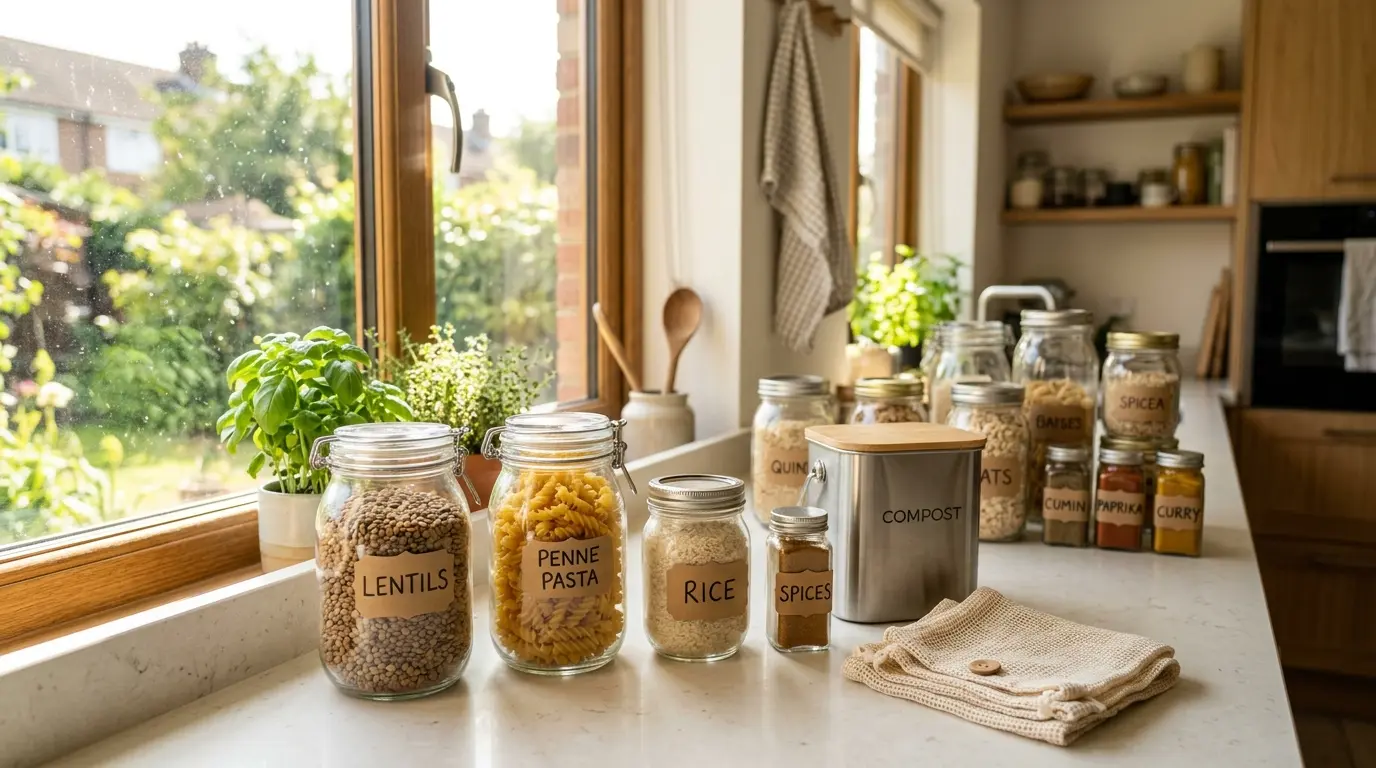
Did you know that the average person generates over four pounds of trash every single day? This staggering statistic highlights a growing global crisis that affects both our environment and our economy. Landfills are overflowing, oceans are choking on plastic, and valuable natural resources are being depleted at an unprecedented rate. Zero waste lifestyle.
If you are feeling overwhelmed by this environmental challenge, you are not alone. Adopting a zero waste lifestyle is one of the most effective and empowering ways you can make a tangible difference. A zero-waste lifestyle involves rethinking your daily consumption habits to prevent trash from ending up in landfills, incinerators, or the ocean.
In this comprehensive guide, we will break down exactly how you can start reducing your waste today. Whether you are a beginner looking for simple swaps or a busy professional seeking sustainable workplace solutions, this guide has you covered. By the end of this article, you will have a clear, actionable roadmap to transform your habits, save money, and contribute to a healthier planet.
Understanding the Core of a Zero Waste Lifestyle
To successfully navigate this journey, you must first understand the fundamental principles that guide it. The concept goes far beyond simply recycling your plastic bottles. Instead, a true zero-waste lifestyle fundamentally redesigns resource lifecycles so that all products are reused.
Therefore, the ultimate goal is to mimic nature’s continuous cyclical processes. In the natural world, there is no such thing as “trash”; the waste of one system becomes the food for another. By adopting this mindset, you can drastically minimize your ecological footprint and simplify your daily life.
[Image Placeholder: A visually appealing infographic showing the circular economy versus a linear economy. Alt text: Diagram illustrating the principles of a zero-waste lifestyle and circular economy.]
The 5 R’s of Waste Reduction
The foundation of sustainable living is built upon a simple hierarchy known as the 5 R’s. Pioneered by sustainability expert Bea Johnson, this framework provides a step-by-step approach to eliminating waste. You should follow these steps in order of importance.
- Refuse: Simply say no to what you do not need. This includes free promotional items, junk mail, and single-use plastics.
- Reduce: Let go of things that are no longer useful and avoid purchasing unnecessary items.
- Reuse: Swap disposable items for reusable alternatives and repair broken items instead of replacing them.
- Recycle: Only recycle what you cannot refuse, reduce, or reuse.
- Rot: Compost the rest of your organic waste, such as food scraps and yard clippings.
Pro Advice: Focus heavily on the first two R’s (Refuse and Reduce). Preventing waste from entering your home in the first place is infinitely more effective than trying to recycle it later.
The Economic and Environmental Benefits
Many people mistakenly believe that living sustainably is an expensive luxury. However, a zero-waste lifestyle is deeply rooted in frugality and mindful consumption. When executed correctly, reducing your waste will actually increase your personal savings.
Furthermore, the environmental benefits are undeniable. By consuming less and reusing more, you directly decrease the demand for raw material extraction. Consequently, this reduces greenhouse gas emissions associated with manufacturing and transporting new goods.
Statistic Highlight: According to the U.S. Environmental Protection Agency (EPA), reducing and reusing items is the most effective way to save natural resources, protect the environment, and save money. [Outbound Link: Read more about reducing waste on the EPA website].
Long-Term Financial Savings
Let’s look closely at how a zero-waste lifestyle benefits your wallet. When you stop buying single-use items, you eliminate a recurring expense from your monthly budget. While a reusable item might have a higher upfront cost, its long-term return on investment is massive.
Below is a table illustrating the potential savings of swapping disposable items for reusable ones over five years.
| Item Type | Disposable Annual Cost | Reusable Upfront Cost | 5-Year Savings |
| Bottled Water | $250 | $30 (Metal Flask) | $1,220 |
| Paper Towels | $180 | $20 (Cloth Rags) | $880 |
| Coffee Cups | $300 (Buying out) | $25 (Travel Mug) | $1,475 |
| Plastic Wrap | $50 | $15 (Beeswax Wrap) | $235 |
Note: Estimates are based on average household consumption and moderate pricing.
Case Study: Frugal Innovation in Action
Consider the real-life example of a mid-sized marketing agency that transitioned to a zero-waste office model. By eliminating paper cups, providing staff with branded reusable mugs, and switching to bulk snack dispensers, the agency saved over $4,500 in its first year. Additionally, they boosted employee morale and improved their corporate social responsibility profile.
How to Implement a Zero Waste Lifestyle at Home
Transitioning your entire home to produce zero trash can feel daunting. Therefore, the best strategy is to tackle one room at a time. By breaking the process down into manageable steps, you ensure that your new habits become permanent.
Let’s explore actionable strategies for the most waste-heavy rooms in your house.
[Image Placeholder: A bright, clean kitchen featuring glass jars filled with bulk pantry items. Alt text: An organized kitchen showcasing a zero-waste lifestyle with reusable glass jars.]
Revamping Your Kitchen
The kitchen is typically the largest source of household waste, particularly concerning single-use plastics and food scraps. Fortunately, it is also the easiest place to make high-impact changes. Start by analyzing your grocery shopping habits.
- Buy in Bulk: Bring your own cloth bags and glass jars to bulk food stores to purchase grains, nuts, and spices without packaging.
- Ditch Plastic Wrap: Swap flimsy plastic wraps for reusable silicone lids or beeswax wraps to keep your leftovers fresh.
- Start Composting: Keep a small compost bin on your counter for fruit peels, vegetable scraps, and coffee grounds.
Transforming Your Bathroom
Bathrooms are notorious for tiny plastic bottles, non-recyclable tubes, and excessive packaging. You can easily streamline your personal care routine while embracing a zero-waste lifestyle.
Firstly, replace liquid soap and shampoo bottles with solid bar alternatives. Not only do shampoo bars last longer, but they also usually come in fully compostable cardboard packaging. Secondly, consider investing in a safety razor. While the initial purchase is higher, replacement metal blades cost mere cents and are fully recyclable.
Finally, swap out your plastic toothbrush for one made of bamboo. Bamboo is a fast-growing, highly renewable resource, and the handle can be composted at the end of its life.
Embracing Sustainability in the Workplace
For modern professionals, practicing sustainability shouldn’t stop when you leave the house. Implementing a zero waste lifestyle at the office or in your home workspace is entirely achievable. Furthermore, advocating for greener practices can position you as a forward-thinking leader within your organization.
Begin by addressing digital waste. While we often focus on physical trash, digital clutter requires massive amounts of energy to maintain on servers. Clean out your inbox, delete old cloud files, and unsubscribe from unnecessary newsletters.
Tangible Office Strategies
To reduce physical waste in your professional environment, focus on supplies and daily routines. If you work in an office, challenge the necessity of printing documents. Utilize digital signature software and collaborative cloud platforms to keep workflows entirely paperless.
- Bring a packed lunch in reusable containers rather than ordering takeout that comes in styrofoam.
- Keep a real ceramic mug and stainless steel silverware at your desk.
- Request that your procurement department purchase refillable pens and recycled paper.
Statistic Highlight: The United Nations Environment Program (UNEP) notes that moving towards circular business models could yield up to $4.5 trillion in economic benefits globally by 2030. [Outbound Link: Learn about the circular economy at UNEP.org].
Common Mistakes and Pitfalls (And How to Avoid Them)
Embarking on a zero waste lifestyle is a journey of continuous improvement, not instant perfection. Many beginners fall into predictable traps that lead to frustration and burnout. Recognizing these pitfalls early will help you stay motivated and on track.
Here are the most common challenges and expert solutions to overcome them.
Mistake 1: Throwing Everything Away to Start Fresh
A major misconception is that you need an aesthetically perfect, plastic-free home on day one. Beginners often throw away perfectly good plastic containers or half-used chemical cleaners just to replace them with trendy “eco-friendly” alternatives.
The Solution: Use up what you already own. The most sustainable item is the one you already have at home. Once your plastic Tupperware breaks or your current shampoo runs out, then you can replace it with a sustainable, zero-waste alternative.
Mistake 2: Forgetting to Plan Ahead
Convenience is the enemy of sustainability. When you are hungry, rushed, or unprepared, you are far more likely to grab a plastic water bottle or a pre-packaged snack. A lack of preparation inevitably leads to creating more trash.
The Solution: Build a “zero waste toolkit” that stays in your car or everyday bag. This kit should include a reusable water bottle, a cloth shopping bag, a stainless steel straw, and a small set of cutlery. Consequently, you will always be prepared to refuse single-use items on the go.
Mistake 3: Aiming for Absolute Zero
The term “zero waste” is actually a bit of a misnomer. In our modern, linear economy, producing absolutely zero trash is nearly impossible for the average person. Fixating on fitting years of trash into a single mason jar can create immense anxiety and guilt.
The Solution: Focus on progress, not perfection. Aim for a “low waste” lifestyle first. Celebrate the small victories, like remembering your reusable bags or successfully composting for a month. Consistency matters far more than an impossible standard of perfection.
Step-by-Step Zero Waste Checklist for Beginners
Ready to take immediate action? Follow this simple, actionable checklist to kick-start your transition to a zero-waste lifestyle this week.
- Conduct a Trash Audit: Look inside your garbage can today. Identify the top three items you throw away most frequently (e.g., paper towels, food wrappers).
- Target One Swap: Choose just one of those frequent-trash items and find a reusable alternative for it this week.
- Set Up a Compost Station: Research local composting drop-offs or purchase a simple countertop bin for your kitchen scraps.
- Unsubscribe from Junk Mail: Spend 15 minutes online opting out of physical catalogs and credit card offers.
- Audit Your Subscriptions: Cancel any recurring deliveries of items that are heavily wrapped in plastic.
Frequently Asked Questions (FAQs)
As the movement grows, many people have specific questions about how to implement these changes in practice. Here are concise answers to the most common questions about a zero-waste lifestyle.
Is a zero waste lifestyle expensive to start?
No, it is actually incredibly cost-effective. While some reusable items have a higher upfront cost, the core of the movement is about buying less overall. By refusing unnecessary items and using what you already own, you will save money immediately.
Do I have to make my own hygiene products?
Not at all. While DIY toothpaste and deodorant are popular in some circles, they are not a requirement. Today, numerous sustainable brands sell high-quality, pre-made personal care products in compostable or easily recyclable packaging.
How do I handle medical waste?
Medical waste, such as prescription pill bottles, contact lenses, or necessary sanitary items, is unavoidable. You should never compromise your health or safety for the sake of zero waste. Focus your reduction efforts on completely avoidable areas, such as kitchen packaging.
Can I still eat out at restaurants?
Absolutely. To maintain your zero waste lifestyle while dining out, simply request no straw with your drink and bring your own small container for leftovers. Supporting local restaurants that use compostable takeout containers is also a great strategy.
What should I do with my old plastic items?
Do not throw them away! Keep using your plastic hangers, storage bins, and kitchenware until they break completely. When they are no longer functional, research specialty recycling programs in your community for responsible disposal.
How do I convince my family to join me?
Lead by quiet example rather than lecturing. When your family sees how much money you are saving and how clean your environment is, they will naturally become curious. Offer easy, frictionless swaps first, like switching to a better-smelling bar soap.
Conclusion
Transitioning to a zero waste lifestyle is one of the most impactful commitments you can make for both your personal finances and the global environment. By understanding the 5 R’s—Refuse, Reduce, Reuse, Recycle, and Rot—you have the tools to reduce your daily footprint drastically.
Remember, this journey does not require you to achieve absolute perfection overnight. It simply requires a mindful shift in how you view consumption and a willingness to make incremental improvements. Whether you are swapping out your kitchen plastics or advocating for paperless systems in your office, every single action counts.
Are you ready to transform your habits and protect our planet? Start by implementing just one tip from our checklist today. For more actionable advice on sustainable living and optimizing your daily routines, be sure to subscribe to our newsletter and explore our related resources below.