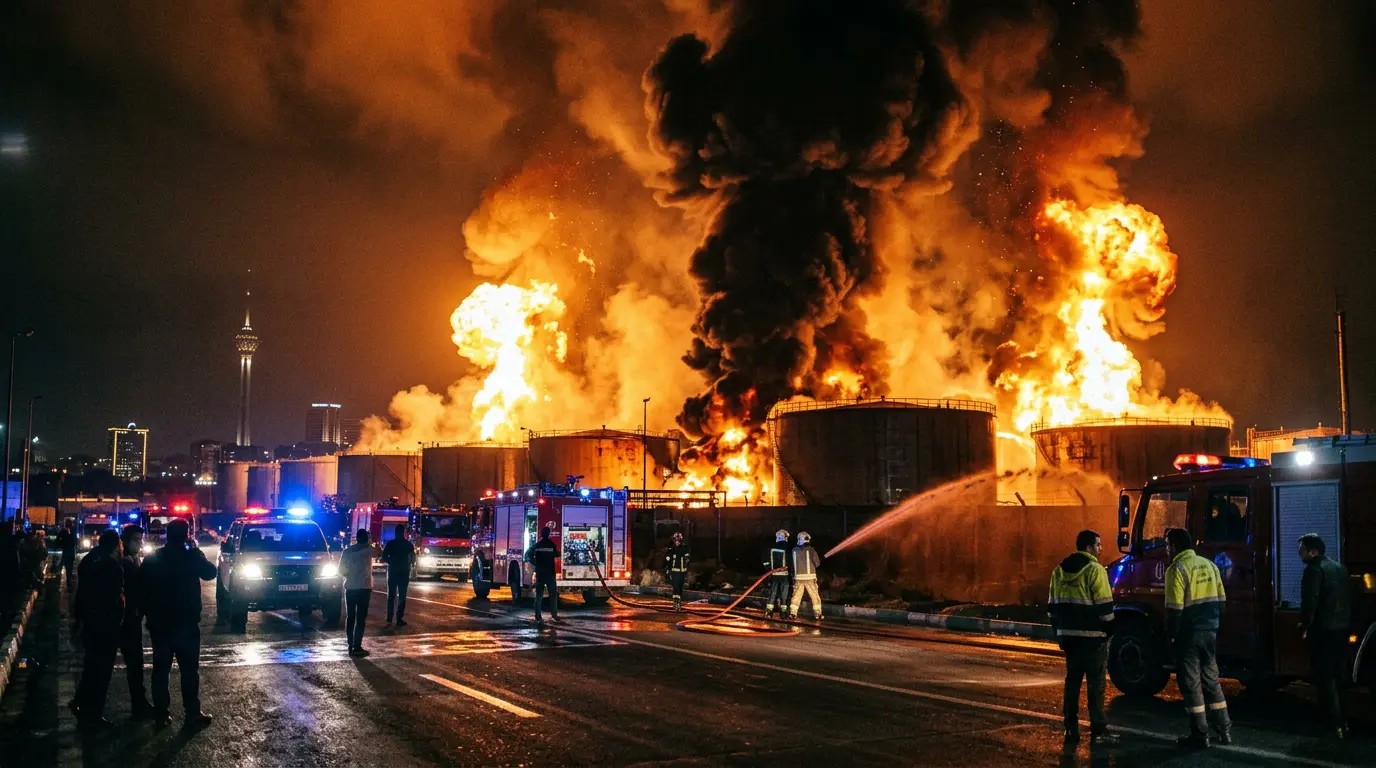
Global financial markets saw sharp movements this week as fears that the Iran war may drag on unsettled investors and boosted commodity prices. Stock markets around the world declined while oil prices climbed, reflecting growing concerns about prolonged geopolitical instability, rising energy costs, and inflationary pressures.
Why Stocks Are Falling
The recent escalation in tensions linked to the Iran war has shaken investor confidence. Major stock indices in the United States, Europe, and Asia experienced sell-offs as traders moved away from risk assets toward safer investments like gold and government bonds.
In the U.S., the Dow Jones Industrial Average and S&P 500 both slid, marking one of the steepest weekly declines in recent months. European markets followed suit, with the FTSE 100, DAX, and CAC 40 all registering losses. Asian markets, including Japan’s Nikkei and South Korea’s KOSPI, were also hit hard as global risk appetite weakened.
This widespread slump highlights how deeply geopolitical concerns — especially fears that the Iran war may drag on — can influence market sentiment and investor behavior.
Oil Prices Surge as Conflict Risk Rises
While stocks fell, oil prices rose sharply. Brent crude and WTI crude benchmarks both climbed as traders priced in the risk of supply disruptions from the Middle East — a region responsible for a significant share of the world’s oil exports.
The strategic Strait of Hormuz, through which a large portion of global oil shipments pass, remains at the center of supply risk concerns. The possibility that the Iran war may drag on and potentially disrupt shipping routes has added a geopolitical risk premium to oil prices, pushing them toward multi-month highs.
Broader Economic Impacts
Rising oil prices have broader implications for the global economy. Higher energy costs feed into transportation, manufacturing, and consumer prices, increasing inflationary pressures at a time when many economies are already struggling with slow growth.
Central banks now face difficult choices: grappling with persistent inflation while trying to support economic growth. If elevated oil prices persist, consumer spending may further tighten, and inflation expectations could become more entrenched.
What Investors Are Watching Next
Investors are now monitoring several key developments:
- Diplomatic efforts to de-escalate tensions in the Middle East
- Oil inventory reports and production decisions by major producers
- Central bank policy statements in response to inflationary pressures
All eyes remain on how long geopolitical tensions will last. The lasting fear — that the Iran war may drag on — continues to shape financial markets, driving volatility and influencing economic forecasts.