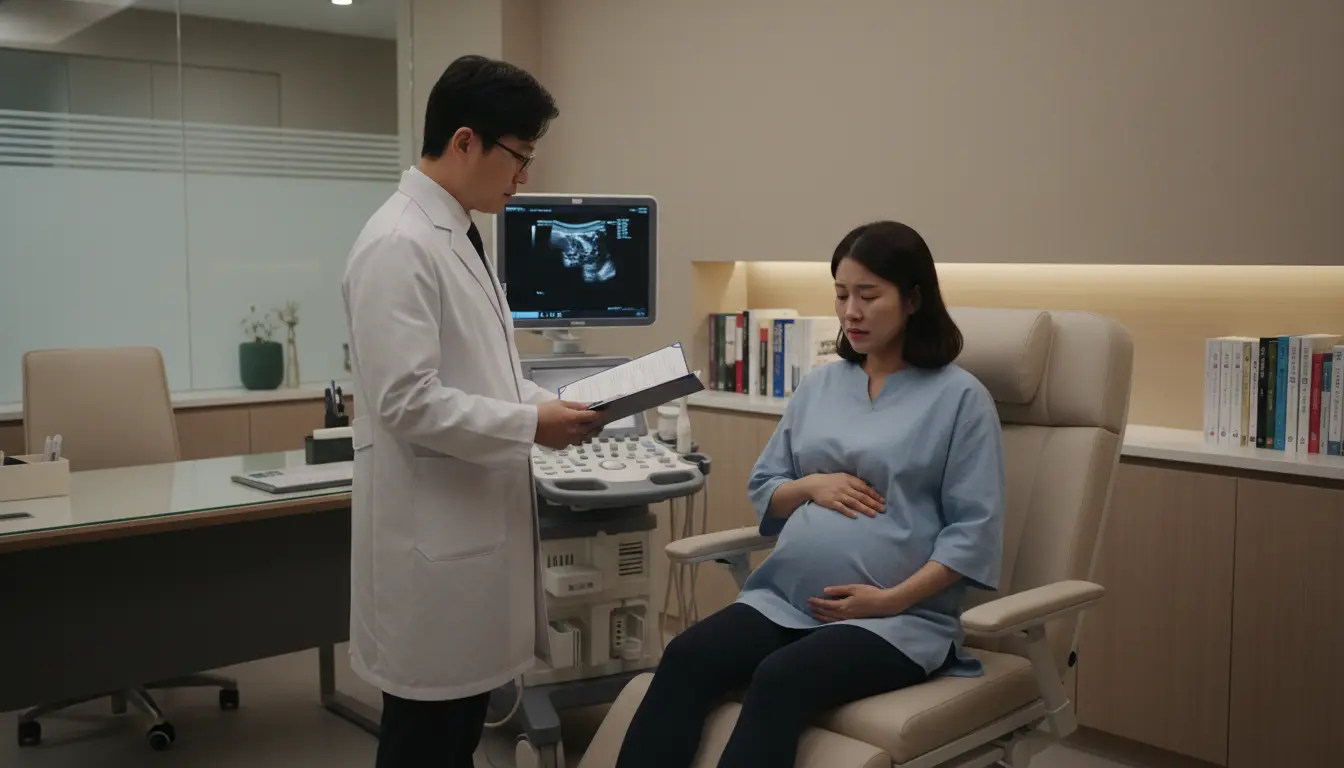
A court in South Korea has found a woman and several doctors guilty of murdering a newborn baby in a case that has shocked the nation and raised serious concerns about medical ethics and oversight. South Korea newborn baby murder case.
According to prosecutors, the baby died shortly after birth after being deliberately denied essential medical treatment. The court heard that the mother, along with medical staff, made a conscious decision that resulted in the infant not receiving life-saving care. Judges ruled that the actions went beyond negligence and amounted to intentional homicide.
During the trial, medical records, internal hospital communications, and expert testimony were presented as evidence. Prosecutors argued that the newborn was in a condition that required urgent intervention, but doctors failed to take appropriate steps. The court concluded that the failure was deliberate and coordinated.
What the Court Said
In its ruling, the court described the crime as a “serious violation of medical duty and human dignity.” Judges emphasized that healthcare professionals are legally and ethically obligated to protect life, particularly that of vulnerable newborns. The verdict included significant prison sentences for those involved, though specific terms vary depending on individual responsibility.
Legal experts say the ruling sends a strong message about accountability within the healthcare system. It also highlights the responsibility of medical institutions to ensure proper oversight and transparent procedures. South Korea newborn baby murder case
Background: Similar Past Cases in South Korea
This is not the first time South Korea has faced public outrage over newborn deaths.
In recent years, the country has dealt with several high-profile cases involving infant fatalities in hospitals and at home. Some involved concealed pregnancies, while others raised questions about medical malpractice or systemic failures in neonatal care.
One widely discussed case in the past involved multiple newborn deaths at a hospital neonatal unit, where investigations examined infection control and hospital protocols. Although circumstances differed, that incident intensified public scrutiny of hospital safety standards.
Additionally, government investigations over the last few years uncovered cases where babies were secretly buried or abandoned, prompting authorities to tighten birth registration laws and improve monitoring systems. In response, officials introduced reforms to prevent unregistered births and ensure that every newborn is accounted for within the national system.
Wider Impact
The latest conviction has reignited debate over:
- Medical ethics and accountability
- Oversight of private and public hospitals
- Protection systems for newborn children
- Legal responsibilities of parents and healthcare workers
Authorities have indicated that further reviews of hospital policies may follow. Advocacy groups are also calling for stronger protections for infants and stricter penalties for deliberate harm.
The case continues to generate national discussion, with many viewing it as a critical moment for reform in maternal and neonatal healthcare standards.