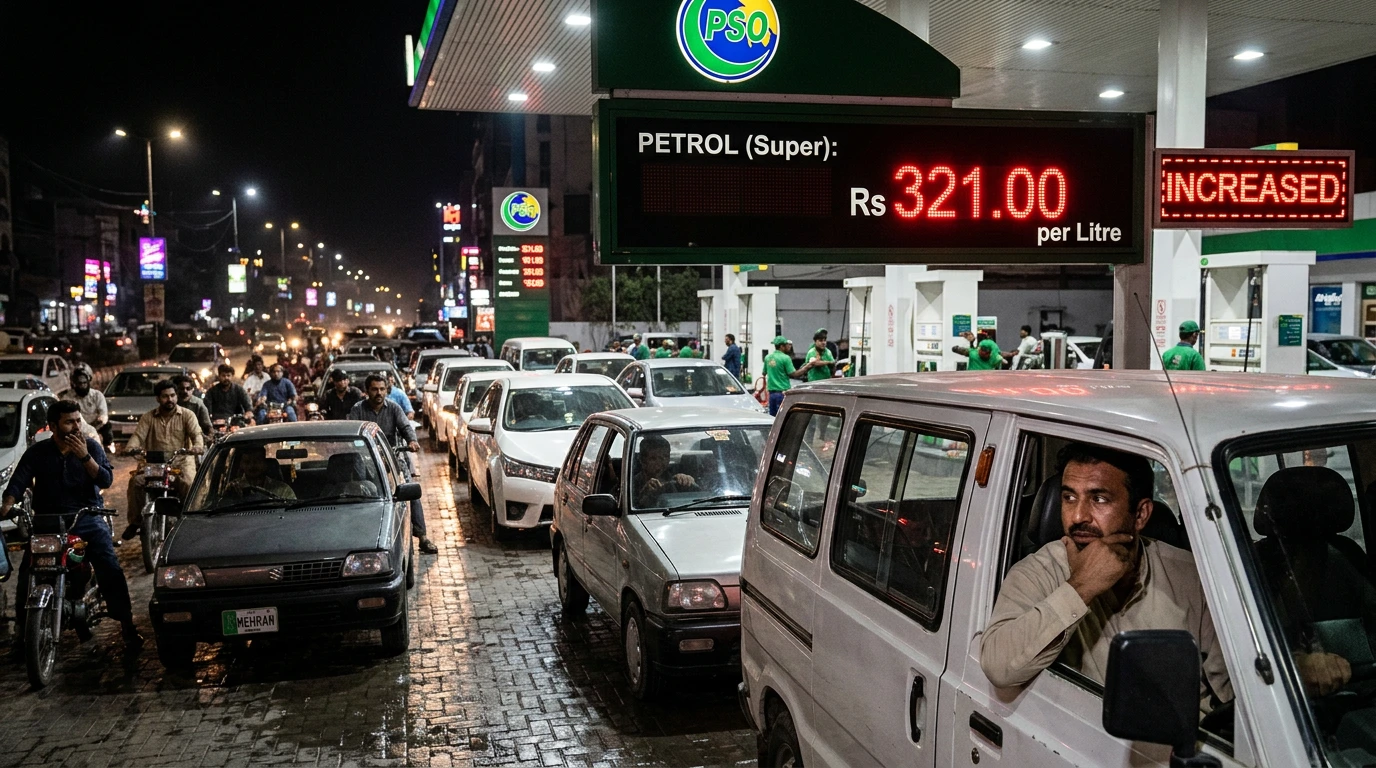
Pakistan’s federal government has announced a massive increase of Rs55 per litre in petrol and high-speed diesel prices, creating concern among citizens and businesses across the country. The new fuel prices took effect at midnight on March 7, 2026, following a government review of global oil market conditions and domestic economic pressures. Petrol diesel prices increased by Rs55 in Pakistan.
The sudden hike is one of the largest petroleum price increases in recent months and is expected to have a major impact on transportation, inflation, and the overall cost of living in Pakistan.
New Petrol and Diesel Prices in Pakistan
After the latest revision, petroleum prices in Pakistan have increased significantly.
| Fuel Type | Old Price (Rs/Litre) | Increase | New Price (Rs/Litre) |
| Petrol | 266.17 | +55 | 321.17 |
| High-Speed Diesel | 280.86 | +55 | 335.86 |
The new prices apply nationwide and affect both private motorists and the transportation sector.
Reasons Behind the Rs55 Fuel Price Increase
Government officials say several factors forced the authorities to raise petroleum prices. The most important reasons include:
1. Rising Global Oil Prices
International crude oil prices have surged amid geopolitical tensions and disruptions to global energy supply chains. Countries dependent on imported oil, including Pakistan, are directly affected by these fluctuations.
2. Middle East Tensions
The ongoing conflict in the Middle East has created instability in oil markets, pushing global prices higher. As Pakistan imports a large portion of its petroleum products, the country has little choice but to adjust domestic prices accordingly.
3. Pressure on Pakistan’s Economy
Government officials stated that maintaining fuel subsidies would increase fiscal pressure. Adjusting fuel prices is part of efforts to stabilise the economy and manage the national energy supply. Petrol diesel prices increased by Rs55 in Pakistan
Government’s Response and Policy Changes
During a press conference, senior officials, including the petroleum minister, confirmed that the price revision followed recommendations from energy authorities and market assessments.
The government is also considering several measures to manage the ongoing fuel crisis:
- Weekly petroleum price reviews instead of bi-weekly updates
- Monitoring petrol pumps to prevent hoarding and artificial shortages
- Exploring energy conservation strategies to reduce fuel consumption
These steps aim to maintain stable fuel supplies amid unpredictable global energy markets.
Impact on Public and Economy
The sharp increase in petrol and diesel prices is expected to have widespread consequences across Pakistan.
Transportation Costs
Public transport fares and logistics expenses are likely to rise, increasing the cost of goods and services.
Inflation
Fuel prices play a key role in determining inflation. Higher fuel costs typically lead to increased prices of food, construction materials, and consumer goods.
Business Sector Pressure
Industries dependent on transportation and energy may face higher operating costs, which could slow economic activity.
Public Reaction
The sudden increase has sparked strong reactions from the public and economic experts. Many citizens fear the hike will further increase the cost of living, especially at a time when inflation is already affecting household budgets.
Economic analysts warn that without relief measures, the fuel price surge could significantly impact lower-income groups and small businesses.
Possible Future Fuel Price Changes
Experts believe petroleum prices may continue to fluctuate in the coming weeks, depending on global oil market conditions. The government has indicated that the new weekly price review system will enable quicker adjustments in line with international trends.
If global crude prices remain high or geopolitical tensions continue, Pakistan could face further increases in fuel prices.
Conclusion
The government’s decision to increase petrol and diesel prices by Rs55 per litre marks a significant shift in Pakistan’s fuel pricing landscape. While officials say the move is necessary due to rising global oil prices and economic pressures, the hike is expected to increase inflation and financial strain on citizens.
As global energy markets remain unstable, Pakistan may continue adjusting fuel prices in the coming weeks to manage supply and economic stability.