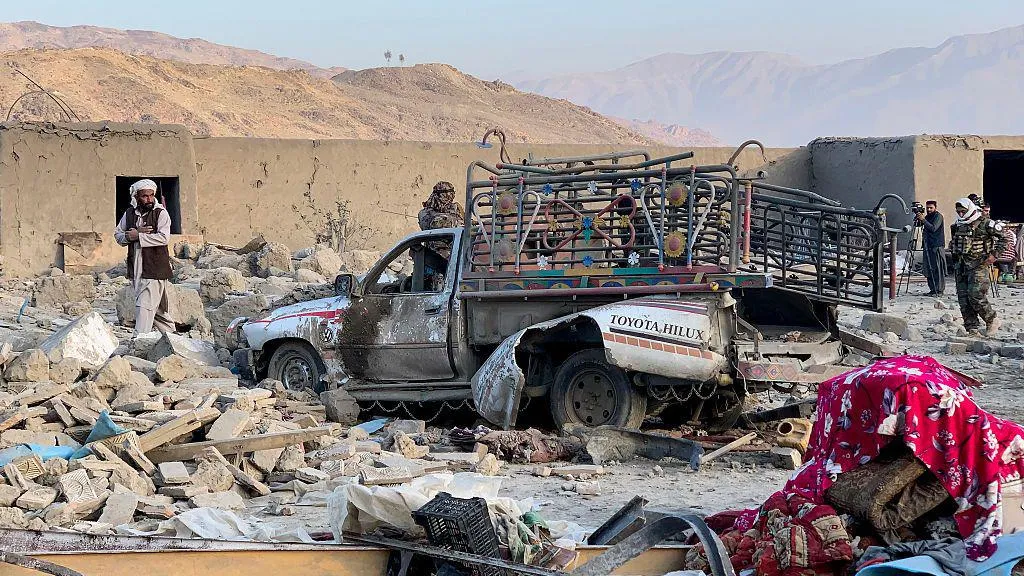
This week, Pakistan has sharply increased its military operations against Afghanistan, escalating violence along the border. The country has carried out a series of deadly air and ground strikes. This situation marks one of the most serious outbreaks of cross-border conflict between the two nations in recent years.
According to official statements from Islamabad, Pakistan’s military launched coordinated airstrikes and artillery attacks deep into Afghan territory. These strikes targeted what they described as Taliban and militant positions across several provinces, including Nangarhar, Paktika, Kabul, Kandahar, and Paktiya. The operation, named “Ghazab Lil Haq,” aims to dismantle militant infrastructure following repeated attacks on Pakistani security posts.
Claims and Counterclaims
Pakistani authorities reported that hundreds of Afghan Taliban fighters and allied militants were killed and wounded during the offensive. Federal Information Minister Attaullah Tarar stated that 297 Taliban operatives died and over 450 were injured in these operations. He also claimed that more than 80 checkpoints and military installations were destroyed or captured by Pakistani forces.
However, Afghan officials have denied these figures, asserting that the strikes caused civilian casualties and damage to non-military infrastructure. Kabul’s Taliban-led government condemned the attacks as violations of Afghan sovereignty and warned of serious consequences if the bombings continue.
Escalation and “Open War” Declaration
The escalation followed weeks of cross-border skirmishes and rising tensions along the 2,600-kilometer Durand Line border. After the attacks, Pakistan’s defense minister declared that Islamabad is now in a state of “open war” with Afghanistan amid stalled diplomacy and failed ceasefire attempts.
International concern is growing as both sides blame each other, and casualty figures continue to differ. The United Nations and various countries have urged restraint, calling for dialogue to prevent the conflict from escalating into a full-scale war.
Recent developments show that U.S. President Donald Trump has voiced clear dissatisfaction with the latest round of nuclear negotiations with Iran. Trump stated he was “not happy” with the progress and the willingness of Iranian negotiators to make concessions, warning that military force remains an option if diplomacy fails despite ongoing efforts to continue talks in Geneva and beyond.