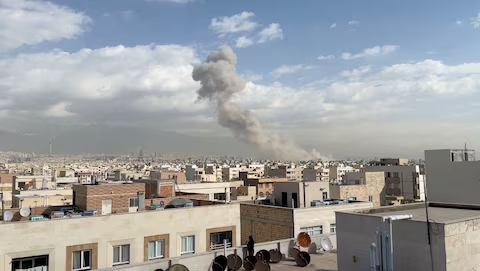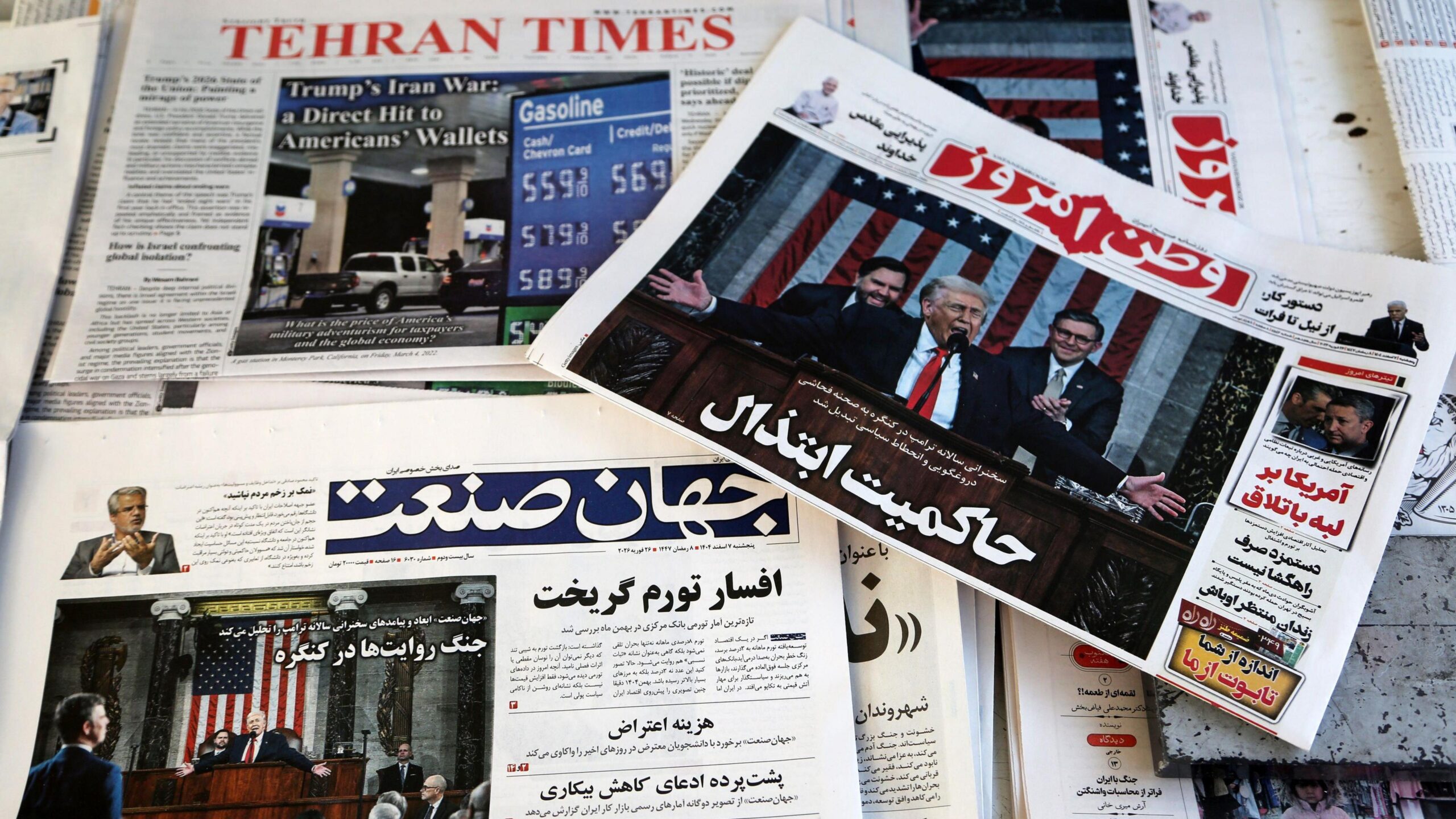
Tension is rising across Iran US strike fears increase following new reports of potential American military action. Although Washington has not officially confirmed anything, regional developments and military movements have sparked speculation, causing widespread anxiety among everyday citizens.
In the past 48 hours, international media have reported unusual military positioning in the Gulf region. This has led to uncertainty in Tehran and other major cities, where residents are closely following the news. Social media platforms are filled with discussions about possible scenarios, further raising fears of US strikes.
Public Anxiety and Daily Life Disruptions
In Tehran, shopkeepers are noticing a significant drop in customer activity as families prefer to stay indoors. Some residents are starting to stock up on essential goods, worried about a sudden escalation. Even though the government has urged calm, fears of US strikes continue to dominate conversations at home, in workplaces, and online.
Universities and offices remain open, but attendance has dipped slightly in some areas. Financial markets in the country have also shown signs of instability, with currency fluctuations reflecting the growing uncertainty. Analysts say psychological pressure alone can have significant economic effects, even without military action.
Government Response and Official Statements
Iranian officials have dismissed reports of imminent attacks as “psychological warfare.” State media claims that the country is fully prepared to respond to any aggression. However, diplomatic efforts are still underway, as regional leaders call for restraint and de-escalation.
The United States has not publicly confirmed any planned strikes, but statements emphasizing “all options on the table” keep fears of US strikes alive. Experts believe that this type of rhetoric is often used as leverage in ongoing geopolitical discussions.
Understanding the broader diplomatic background is crucial to analyzing current tensions between Washington and Tehran. Recent developments closely reflect Trump’s earlier negotiation-first stance toward Iran.
Regional and Global Reactions
Neighboring countries in the Middle East are watching the situation closely. Oil markets have responded cautiously, with prices rising slightly amid concerns about supply disruptions. International organizations are urging both sides to prioritize dialogue over confrontation.
Security analysts warn that even limited military action could have major consequences for regional stability. This uncertainty has intensified Iran US strike fears, especially among communities near strategic locations.
What Happens Next?
At this point, the situation remains fluid. Diplomatic backchannels are reportedly active, and global powers are urging restraint. While speculation continues, many observers believe that diplomatic efforts may ultimately prevent a direct confrontation.
For now, ordinary Iranians are facing anxious days filled with uncertainty. As long as official clarity is lacking, fears of US strikes will likely continue to shape headlines and public sentiment.