Have you ever stared at a wall of serums, moisturizers, and toners, completely overwhelmed by the choices? Finding the perfect regimen used to require endless trial and error, wasted money, and occasional breakouts. Today, the landscape of beauty is changing rapidly. The secret to achieving a flawless complexion is no longer just about buying the most expensive cream; it is about leveraging data. If you are searching for highly personalized skincare tips ai technology is undoubtedly the most revolutionary tool at your disposal.
The beauty industry has officially entered the digital age. According to recent market analyses, the artificial intelligence beauty market is expected to surpass $13 billion by the end of the decade. This massive growth is driven by a simple consumer demand: personalization. We no longer want generic advice meant for the masses. Instead, we want specific, targeted regimens tailored to our exact genetic makeup, environment, and lifestyle.
By analyzing millions of data points, modern algorithms can see what the human eye cannot. In this comprehensive guide, we will explore how this technology works, the best ways to integrate it into your daily routine, and the common pitfalls you must avoid. Get ready to upgrade your beauty routine from guesswork to an exact science.
What Exactly is Skincare Tips AI Technology?
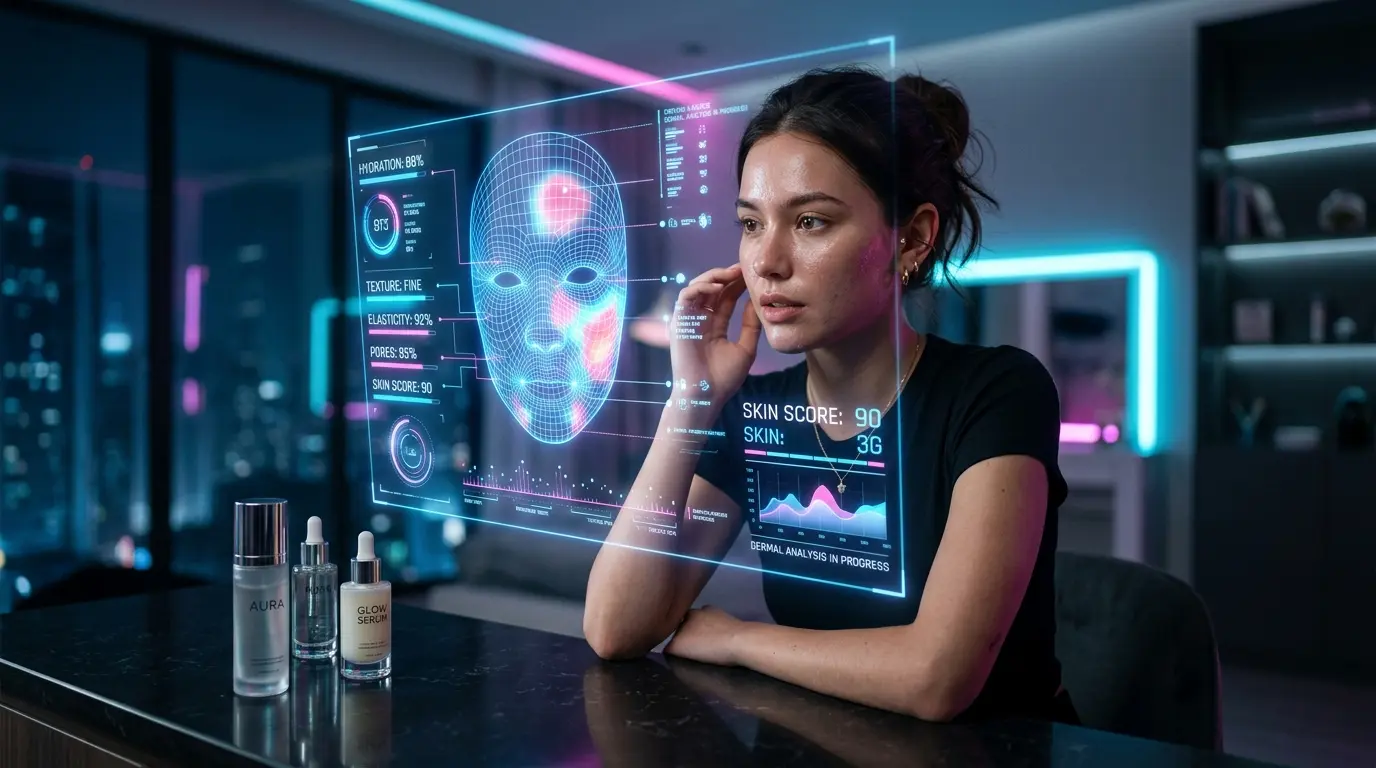
To understand how this revolution works, we first need to look under the hood of your favorite beauty apps. Skincare tips ai technology relies on a combination of computer vision, machine learning, and vast dermatological databases. When you snap a selfie using a beauty diagnostic tool, the application maps your face using thousands of micro-points.
These algorithms scan your image for specific biomarkers. They look for fine lines, hyperpigmentation, pore size, redness, and hydration levels. Furthermore, the technology compares your specific skin profile against millions of other users and clinically proven dermatological studies.
This process allows the application to generate a highly accurate assessment of your skin’s current health. It does not just stop at identifying problems, however. The true power of artificial intelligence lies in its predictive capabilities. By factoring in your local weather, age, and lifestyle habits, the AI can predict how your skin will react to certain active ingredients, providing you with a customized roadmap to optimal skin health.
The Science of Computer Vision in Dermatology
Computer vision is a field of artificial intelligence that trains computers to interpret and understand the visual world. In the context of dermatology, this technology has reached clinical-grade accuracy. According to research published by the National Institutes of Health (NIH), AI algorithms can now match or even outperform human experts in identifying specific cutaneous conditions.
By utilizing deep learning networks, these programs continuously improve. Every time a user uploads a photo, the algorithm becomes slightly smarter and more refined. Therefore, the skincare tips you receive today are backed by a constantly evolving, self-improving medical database.
The Evolution of Beauty: From Guesswork to AI Precision
Historically, building a beauty routine was largely a game of chance. You might read a magazine article, ask a friend, or consult a department store salesperson. Consequently, consumers often ended up with mismatched products that compromised their skin barriers.
The introduction of skincare tips ai technology has eliminated this guesswork. Instead of relying on a “one-size-fits-all” approach, modern consumers now receive granular, scientifically backed recommendations. This shift represents a democratization of dermatological knowledge, making expert-level advice accessible to anyone with a smartphone.
Real-Life Case Study: Sarah’s Battle with Hormonal Acne
To illustrate this shift, consider the case of Sarah, a 28-year-old marketing executive who struggled with persistent adult acne. For years, Sarah spent thousands of dollars on harsh exfoliants and drying lotions, assuming she just had “oily skin.” Her moisture barrier was heavily damaged, leading to overproduction of sebum and more breakouts.
Eventually, Sarah downloaded an AI-driven beauty diagnostic app. She uploaded a clear, well-lit photo and completed a brief lifestyle questionnaire. The AI immediately identified that her skin was not inherently oily, but severely dehydrated and inflamed.
The AI’s recommended action plan:
- Halt all use of physical scrubs and high-percentage salicylic acid.
- Introduce a gentle ceramide-based cleanser to rebuild the barrier.
- Incorporate a low-dose niacinamide serum to regulate sebum gently.
- Track progress weekly using the app’s computer vision scanner.
Within six weeks, Sarah’s skin cleared up significantly. The artificial intelligence provided the objective analysis she desperately needed, breaking the cycle of trial and error. You can read more about building a healthy barrier in our comprehensive guide to repairing damaged skin.
Top Ways AI Technology Transforms Your Daily Routine
Integrating artificial intelligence into your bathroom cabinet might sound like science fiction, but it is highly practical. Here are the most impactful ways this technology is upgrading daily beauty regimens worldwide.
1. Hyper-Personalized Product Recommendations
Walking down the skincare aisle is no longer intimidating when you have an AI assistant. By scanning ingredient lists, AI apps can cross-reference the exact chemical formulations of a product with your unique skin profile. It will instantly flag potential allergens or comedogenic ingredients that might trigger your specific type of acne.
2. Environmental and Climate Adaptation
Your skin’s needs change based on your environment. Advanced AI tools pull data from local weather APIs. If the humidity drops significantly in your city, the app will send a notification suggesting you switch to a heavier moisturizer or add a hyaluronic acid serum to your morning routine.
3. Smart Ingredient Sequencing
One of the most common ways people damage their skin is by mixing the wrong active ingredients. AI acts as your personal cosmetic chemist. If you try to log a retinol serum and an AHA/BHA peeling solution on the same night, the application will alert you to the risk of severe chemical burns and suggest an alternative schedule.
4. Progress Tracking Over Time
Human memory is flawed, and changes in our complexion happen slowly. AI utilizes chronological photo logging to create time-lapse data of your skin. It can objectively measure if that expensive Vitamin C serum is actually reducing your dark spots over 60 days, ensuring you do not waste money on ineffective products.
Actionable Skincare Tips AI Technology Recommends
While every individual’s generated regimen is unique, analyzing massive data sets reveals several universal truths. Here are some of the most common, scientifically backed skincare tips ai technology frequently recommends to users across the globe.
- Prioritize Hydration Over Exfoliation: AI data consistently shows that users misdiagnose a damaged skin barrier as standard acne. The algorithms almost always recommend pausing harsh acids and focusing on glycerin, ceramides, and peptides.
- Adjust Routine Based on the UV Index: Smart apps sync with weather data. On days with a UV index higher than 6, algorithms strongly advise double-layering sunscreen and avoiding photosensitizing ingredients like retinoids during the day.
- Cycle Your Actives: “Skin cycling,” a trend heavily supported by AI scheduling apps, involves rotating active ingredients. A common AI-generated schedule is: Night 1 (Exfoliation), Night 2 (Retinoid), Nights 3 & 4 (Recovery/Hydration).
- Consistency is Key: Machine learning models prove that users who log their routines daily and stick to a simple, consistent regimen see a 40% faster reduction in hyperpigmentation compared to users who constantly switch products.
Analyzing the Data: How Accurate is AI in Skincare?
It is natural to wonder if an app on your phone can truly replace a medical professional. The answer is nuanced. While AI is incredibly powerful, it serves as a supplementary tool rather than a complete replacement for a board-certified dermatologist.
To help you understand the landscape, we have broken down the pros and cons in the comparison table below.
| Feature | AI Skincare Apps | Traditional Dermatologist |
| Accessibility | Instant, available 24/7 anywhere. | Requires an appointment, often weeks out. |
| Cost | Usually free or a low monthly subscription. | High cost, dependent on health insurance. |
| Data Tracking | Excellent for daily photo micro-tracking. | Relies on memory and periodic visits. |
| Severe Conditions | Cannot diagnose skin cancer or severe cystic acne. | Capable of medical diagnoses, biopsies, and prescriptions. |
| Ingredient Analysis | Instant cross-referencing of complex chemical databases. | Based on the doctor’s personal knowledge and preferred brands. |
For everyday maintenance, anti-aging, and mild acne, AI is exceptionally accurate. However, for unusual moles, severe infections, or painful cystic breakouts, consulting a medical professional recognized by the American Academy of Dermatology (AAD) remains absolutely essential.
Common Mistakes When Using AI for Skincare Tips
Even the most advanced technology can fail if it is used incorrectly. Many users download a smart beauty app, only to abandon it a week later due to poor results. If you want to master skincare tips ai technology, you must be aware of these common pitfalls and expert solutions.
Pitfall 1: Poor Lighting and Angles
The Mistake: Taking your daily tracking selfie in a dimly lit bathroom, or with a harsh yellow overhead light, heavily skews the algorithm’s reading. The AI might interpret shadows as dark circles or hyperpigmentation.
The Solution: Always take your diagnostic photos facing a window with natural, indirect sunlight. Maintain a neutral expression and ensure your hair is pulled back completely. Consistency in your environment leads to consistency in your data.
Pitfall 2: Over-Relying on the Tech for Medical Issues
The Mistake: Trying to use an over-the-counter beauty app to diagnose a changing mole or a severe, painful rash.
The Solution: Remember that beauty AI is designed for cosmetic enhancement, not medical triage. If an app continually suggests products that cause burning, or if a skin issue is painful, stop immediately and see a doctor.
Pitfall 3: Lying to the Algorithm
The Mistake: Users often under-report their sun exposure or over-report their water intake on the app’s lifestyle questionnaires, wanting to appear “healthier” to the machine.
The Solution: The AI can only work with the data you provide. Be brutally honest about your junk food intake, stress levels, and inconsistent sunscreen habits. Accurate inputs yield effective, actionable outputs.
The Role of Smart Devices and Wearables
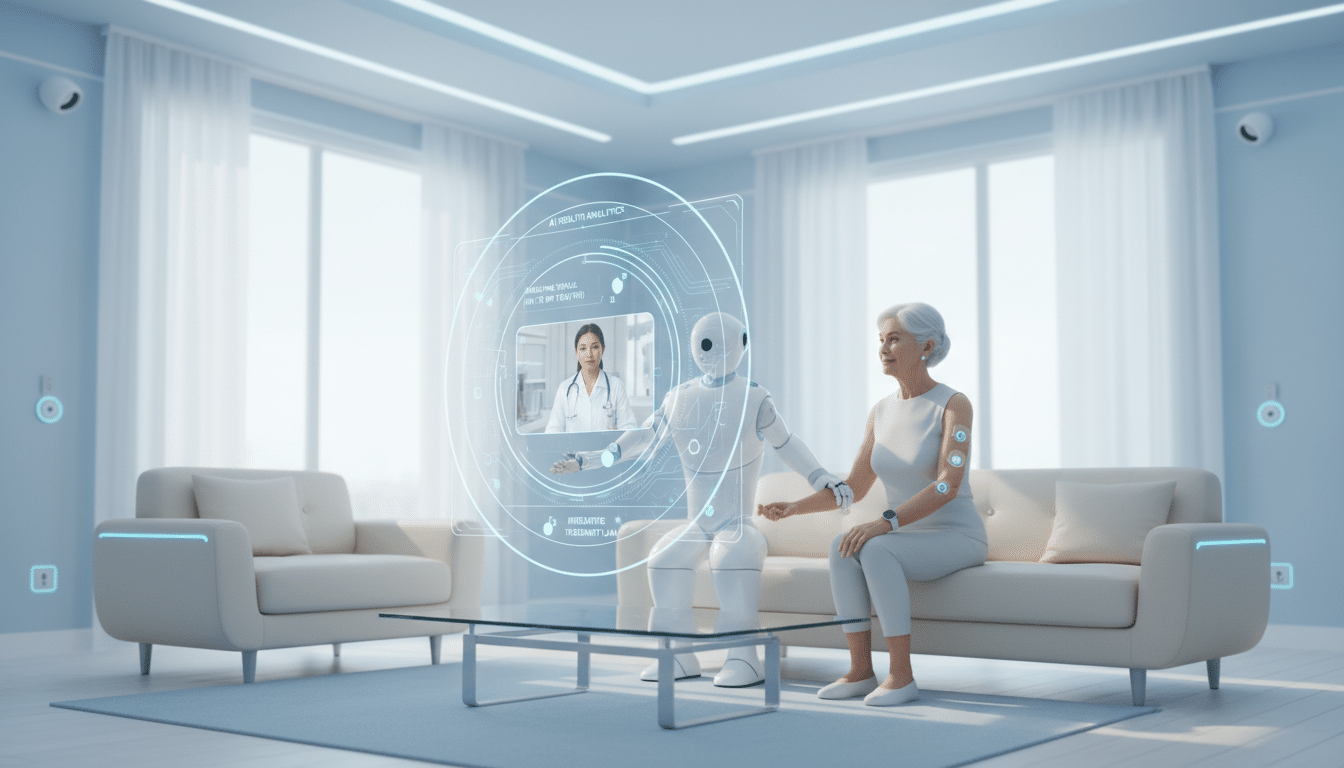
Software is only half of the equation. The physical hardware in our homes is also evolving to support these algorithms. We are witnessing the rise of smart mirrors and wearable beauty tech that communicate directly with your smartphone.
Smart mirrors, for example, feature built-in LED lighting that mimics natural daylight perfectly, eliminating the lighting pitfall mentioned earlier. As you look into the mirror, embedded cameras scan your face and project your daily routine directly onto the glass. It will highlight specific areas on your reflection where you need to apply spot treatments.
Furthermore, wearable UV trackers—small sensors attached to your clothing or thumbnail—measure your exact sun exposure throughout the day. They send push notifications to your phone when your sunscreen has degraded and requires reapplication. By combining hardware with sophisticated algorithms, achieving perfect skin becomes an automated, effortless process. For more on tech gadgets, check out our review of the top 10 beauty devices of the year.
Privacy Concerns in Beauty Tech
With great data comes great responsibility. Because skincare tips ai technology requires high-resolution images of your face, privacy should be a top priority for any consumer. Facial recognition data is considered sensitive biometric information.
Before downloading any application, thoroughly read the terms of service. Ensure that the company explicitly states they do not sell your biometric data to third-party advertisers. Look for applications that store your data locally on your device or utilize end-to-end encryption on their servers.
Additionally, be wary of apps that ask for permissions irrelevant to the service, such as access to your contacts or microphone. Protecting your digital footprint is just as important as protecting your skin barrier.
Frequently Asked Questions (FAQs)
1. How does skincare tips ai technology actually scan my face?
The technology uses computer vision to map out facial landmarks. It analyzes pixels to detect variations in color, texture, and depth, identifying issues like wrinkles, dark spots, and redness with high precision.
2. Can artificial intelligence replace my dermatologist?
No. While AI is excellent for building daily routines, tracking cosmetic progress, and identifying mild issues, it cannot diagnose medical conditions like skin cancer, eczema, or psoriasis. Always consult a doctor for serious concerns.
3. Are AI skincare apps free to use?
Many major brands offer free AI diagnostics as a way to recommend their own products. However, brand-agnostic apps that recommend a wide variety of products often require a small one-time fee or a monthly subscription.
4. How often should I scan my face using these apps?
Experts generally recommend scanning your face once a week. Scanning daily can lead to unnecessary obsession over micro-fluctuations, whereas weekly scans provide a reliable trend line of your overall progress.
5. What is the biggest advantage of using skincare tips ai technology?
The biggest advantage is hyper-personalization. Instead of guessing which products will work, the AI provides an objective, data-driven routine tailored to your exact skin type, environment, and lifestyle.
6. Can AI tell me if my current products are expiring?
Yes, many advanced apps allow you to scan the barcodes or batch codes of your current products. The AI will then track the expiration dates and notify you when a product is past its “Period After Opening” (PAO) date.
7. Does the AI factor in my diet and stress levels?
Top-tier applications include lifestyle tracking. By logging your water intake, sleep hours, and stress levels, the AI can correlate lifestyle factors with your breakouts, giving you a holistic approach to beauty.
Conclusion
The era of blind consumerism in the beauty aisle is officially over. The integration of skincare tips ai technology into our daily lives is not just a passing trend; it is a fundamental shift in how we approach our health and wellness. By taking advantage of machine learning, computer vision, and massive dermatological databases, you can finally eliminate the guesswork from your morning and nighttime routines.
Whether you are looking to fade stubborn hyperpigmentation, combat early signs of aging, or simply maintain a healthy, glowing barrier, artificial intelligence provides the objective roadmap you need. Remember to use the technology consistently, provide it with accurate lighting and data, and always defer to a medical professional for serious concerns.